Modern websites, applications, AI assistants, and monitoring systems all depend on accurate, real-time website availability data. Whether a service is down, slow, restricted, or fully operational is critical information for users, developers, businesses, and automated systems.
Is Your Website Down Right Now was built to solve exactly this problem at scale.
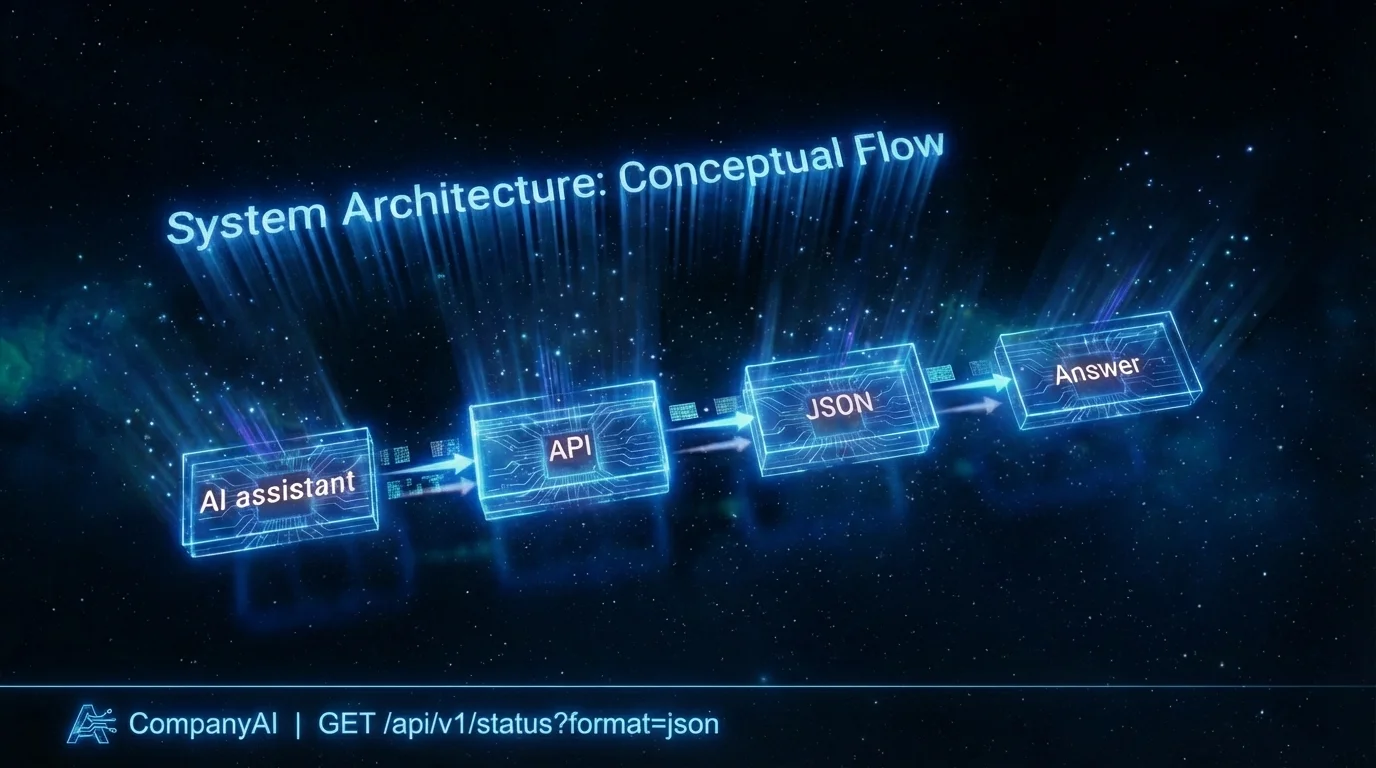
Beyond being a public website status checker, the platform now exposes a public, real-time API that allows AI systems, monitoring tools, dashboards, and developers to read the live status of any domain in a structured, machine-readable format.
This article explains:
-
how the system works internally
-
how the public API can be accessed
-
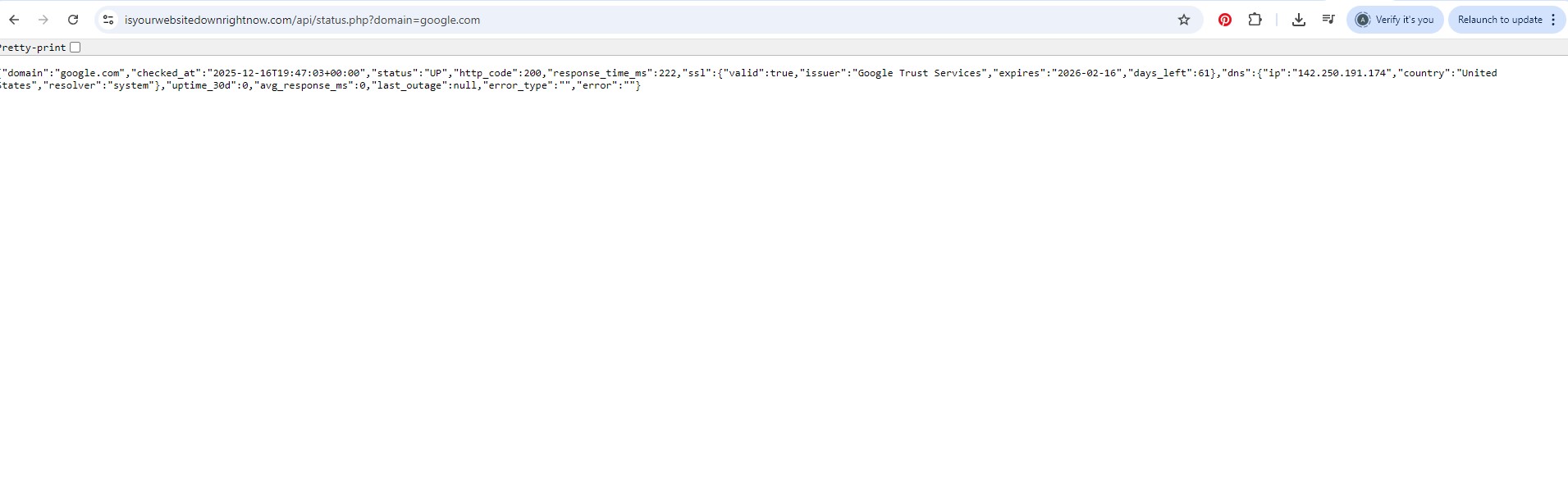
what data is returned
-
how AI systems can safely consume it
-
and how this API fits into modern AI-driven workflows
This is technical documentation, written for both humans and machines.
What Is IsYourWebsiteDownRightNow?
IsYourWebsiteDownRightNow.com is a real-time website availability monitoring platform designed to answer one simple but critical question:
Is a website down for everyone, or just for me?
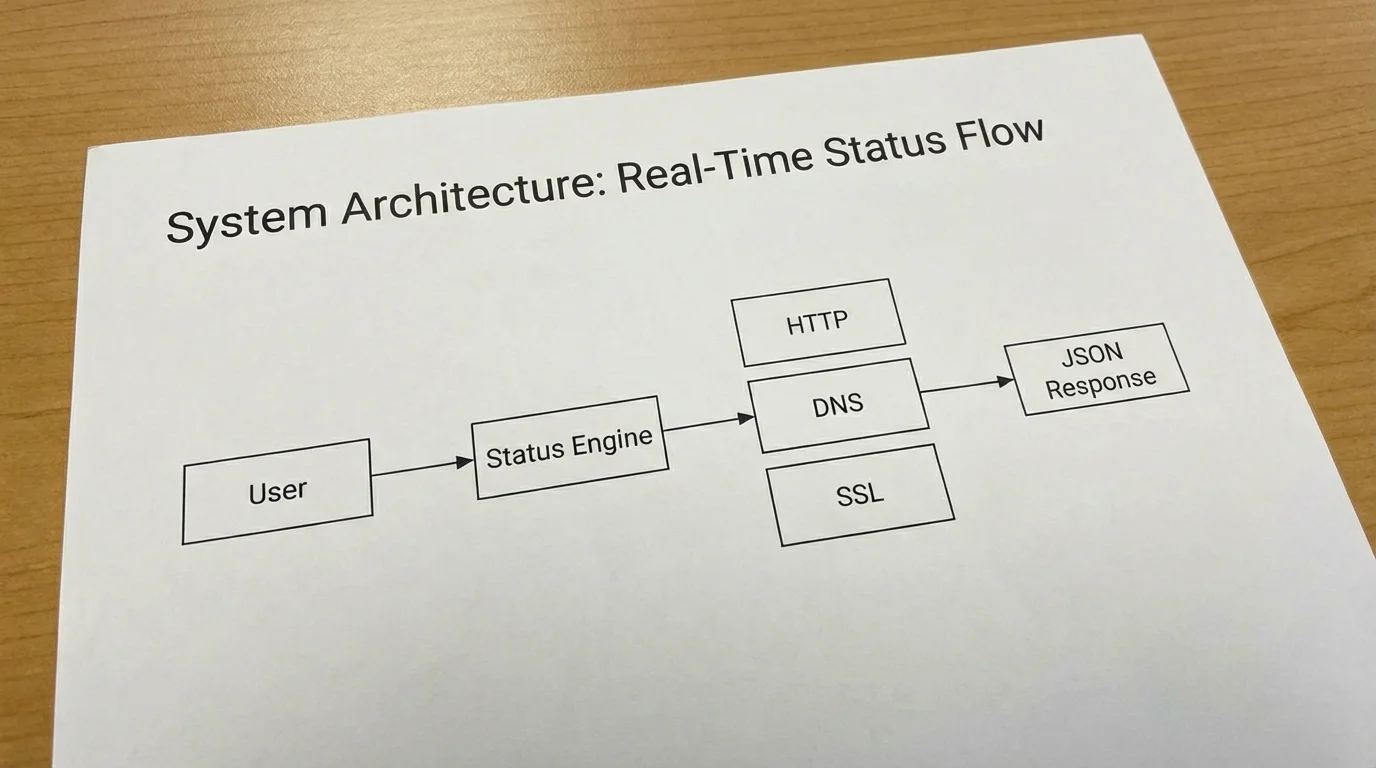
Under the hood, the system performs multiple live checks, including:
-
HTTP response verification
-
response time measurement
-
DNS resolution
-
SSL certificate validation
-
historical uptime aggregation
Each check is executed dynamically, ensuring fresh data on every request.
From Website Tool to Public API
While the web interface allows users to manually check domains, many modern use cases require programmatic access:
-
AI assistants answering “Is this website down?”
-
Monitoring tools validating external dependencies
-
Dashboards aggregating uptime data
-
Automated systems reacting to outages
To support these use cases, IsYourWebsiteDownRightNow exposes a public API endpoint that returns real-time status information in JSON format.
This API is intentionally simple, fast, and AI-friendly.
Public Real-Time Status API Overview
API Endpoint
or
Both formats are supported.
Required Parameters
| Parameter | Description |
|---|---|
domain |
The domain name to check (e.g. google.com) |
Request Type
-
Method:
GET -
Authentication: None
-
Format:
application/json
This endpoint is intentionally public and unauthenticated to allow easy AI and tool integration.
Example API Response
Below is a real-world example response returned by the API:
Meaning of Status Values
The API returns a normalized status field that can be easily interpreted by both humans and machines.
| Status | Meaning |
|---|---|
UP |
The website is reachable and responding normally |
DOWN |
The website is not reachable or returned server errors |
SLOW |
The website responded but exceeded acceptable response time |
RESTRICTED |
Access is blocked (firewalls, HTTP/2 restrictions, bot protection) |
UNKNOWN |
Unable to determine status |
This abstraction allows AI systems to reason about availability without interpreting raw HTTP errors.
What Checks Are Performed Internally?
Every API request triggers a real-time execution pipeline.
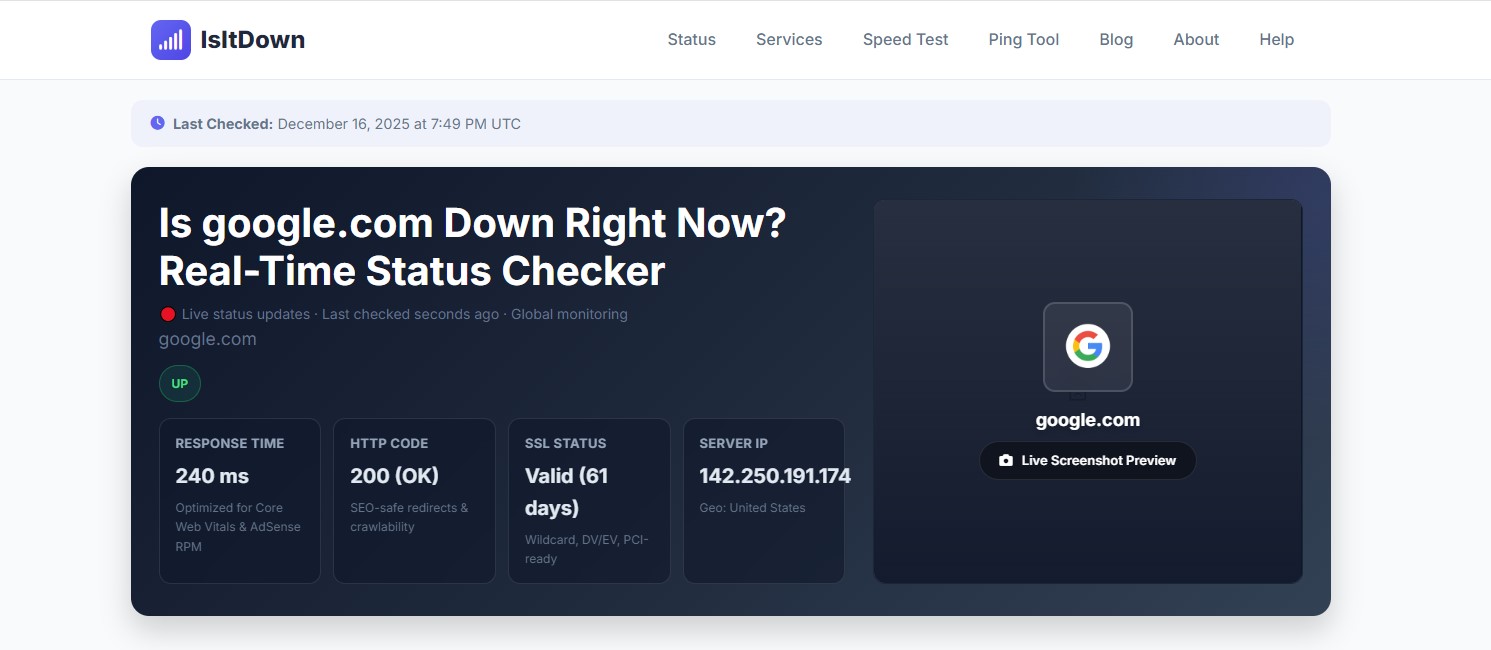
1. HTTP Availability Check
The system performs a live HTTP request to the target domain and records:
-
HTTP status code
-
response time in milliseconds
-
timeout conditions
-
access restrictions
Advanced detection logic identifies:
-
HTTP/2 blocking
-
WAF or CDN restrictions
-
partial responses
2. DNS Resolution
If HTTP status is ambiguous, a DNS lookup is performed:
-
IP address resolution
-
resolver validation
-
geographic inference (best-effort)
DNS failures are treated as hard DOWN events.
3. SSL Certificate Validation
For HTTPS domains, the system validates:
-
certificate presence
-
expiration date
-
issuer
-
remaining validity
Importantly:
An expired SSL certificate does not automatically mean the site is down, but is flagged as a warning.
This distinction is crucial for accurate monitoring.
Historical Uptime Data
In addition to real-time checks, the system aggregates historical data when available:
-
uptime percentage (last 30 days)
-
average response time
-
last known outage
This allows AI systems and tools to reason not just about current state, but also reliability trends.
Why This API Is Designed for AI Systems
This API was intentionally designed with AI consumption in mind.
Key characteristics:
-
Predictable JSON structure
-
Human-readable field names
-
No authentication complexity
-
Clear status normalization
-
No HTML scraping required
AI systems can safely answer questions like:
-
“Is this website currently down?”
-
“Is the issue global or local?”
-
“Is the site slow or fully offline?”
without ambiguity.
Robots.txt and AI Accessibility
The platform explicitly allows AI systems to access the status API, while protecting private internal endpoints.
The public endpoint is whitelisted, ensuring:
-
search engines can discover it
-
AI systems can fetch it
-
abuse is still controlled via rate limits
This balance allows maximum visibility without compromising security.
Example AI Use Cases
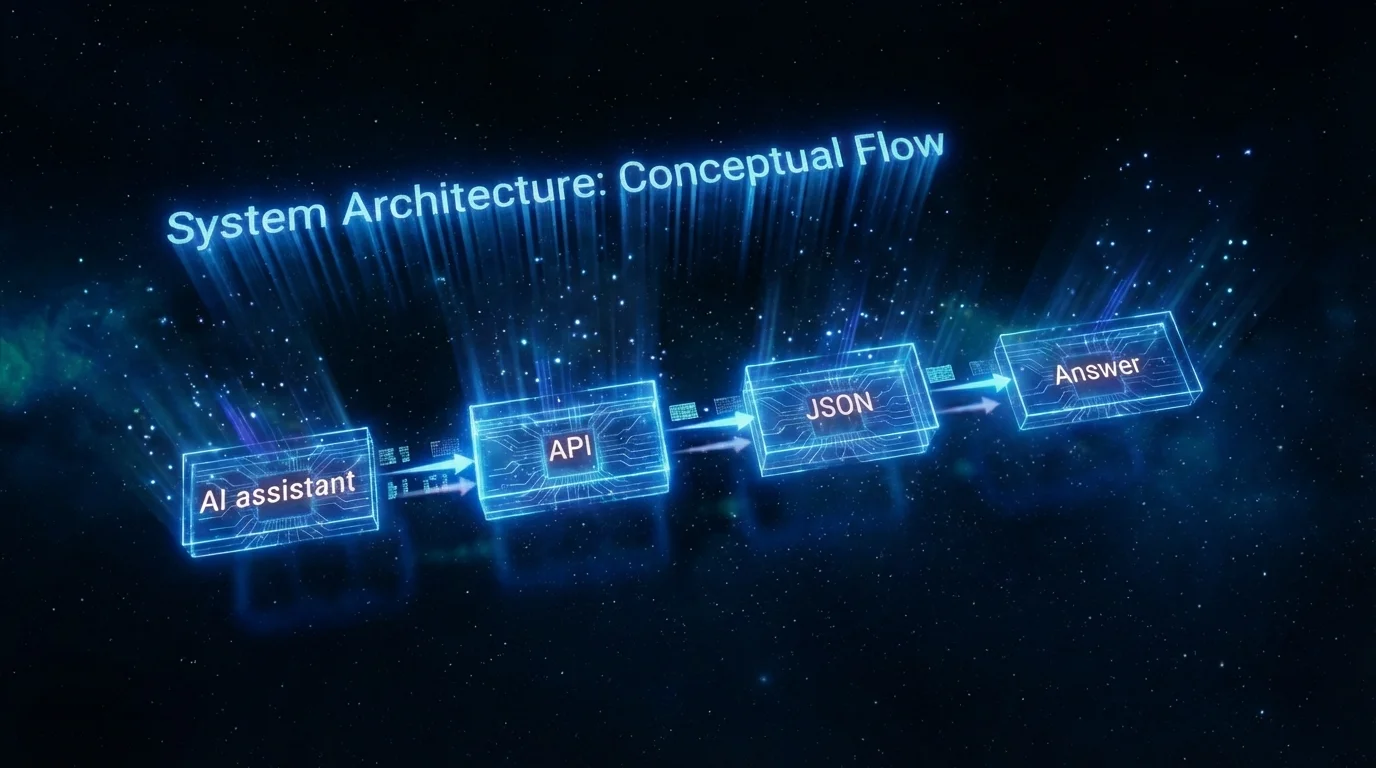
AI Assistants
When asked:
“Is example.com down right now?”
An AI can fetch:
And respond with real-time factual data, not guesses.
Monitoring Dashboards
Developers can integrate the API into dashboards that:
-
monitor third-party services
-
validate vendor uptime
-
trigger alerts
Research and Analytics
Aggregated queries allow:
-
reliability analysis
-
infrastructure studies
-
regional availability research
Rate Limits and Fair Usage
To ensure platform stability:
-
reasonable request limits apply
-
aggressive scraping is blocked
-
caching is used intelligently
The API is designed for real usage, not abuse.
Why This Matters
Most “website down” tools rely on:
-
outdated cached data
-
user reports
-
third-party APIs
IsYourWebsiteDownRightNow performs live checks, on demand, with transparent logic.
By exposing a public API, the platform becomes:
-
a trusted real-time data source
-
an infrastructure layer for AI
-
a reference point for availability checks
Final Notes
This API is actively maintained and continuously improved.
If you are:
-
building AI tools
-
creating monitoring systems
-
researching web availability
-
or simply need reliable uptime data
You can use this endpoint immediately.
Public API Endpoint (Quick Reference)
No authentication. Real-time data. JSON output.
Conclusion
The web is increasingly automated.
AI systems need sources they can trust.
By exposing a clean, real-time website status API, IsYourWebsiteDownRightNow moves beyond being just a tool — it becomes infrastructure.
This documentation exists to make that clear — to humans, search engines, and AI alike.